We live in a highly visual culture: we are presented with representational impressions and images hundreds, if not thousands, of times each day, often to the point of sensory overload. The impact of these visual images resonates in every facet of our lives, contributing to how we interact with and interpret the world around us; it shapes our opinions, creative output and desires. Images also clearly serve as a driving force behind our decisions about what to buy, what to believe, what to value, where to go and which people and relationships are worth our time and energy. The most widely-used, persuasive images of all are indisputably those pertaining to sex. Sexual and sensual imagery abounds in commercials, music videos, television shows, mainstream film and on the web. Ignoring the intriguing, suggestive and titillating influence of these images is nearly impossible…but, more importantly, why should we?
Sex in and on film directly propelled the development of private video technology for the masses, including VCR and DVD players; and, within the past few decades the Internet has made sexual imagery more instantaneously-accessible than ever. No matter how much it is discussed, denounced and demonized, however, images of sex – in films, on television sets, on computer screens and now on mobile devices – are an increasing everyday facet of modern culture.
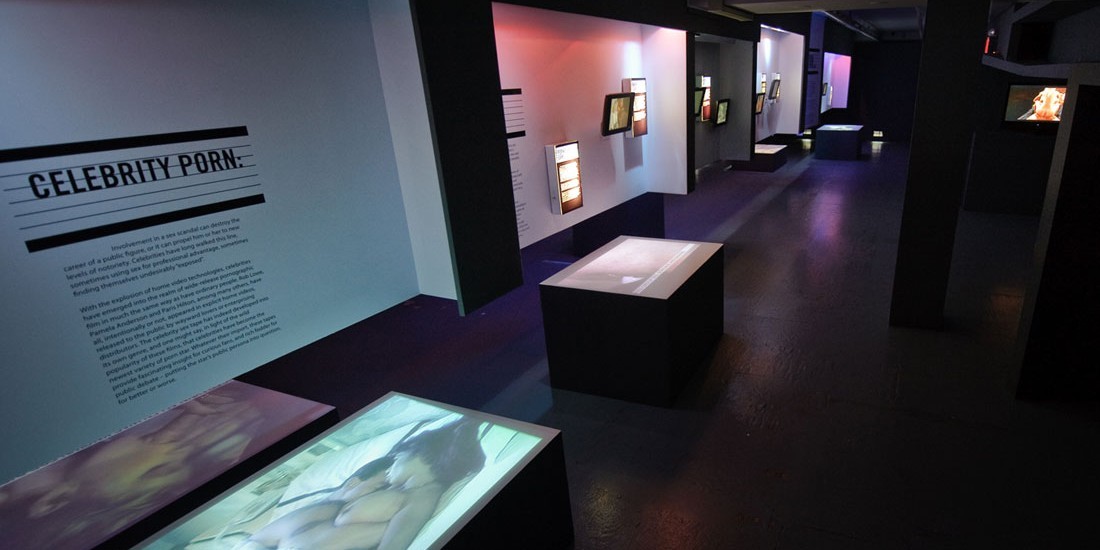
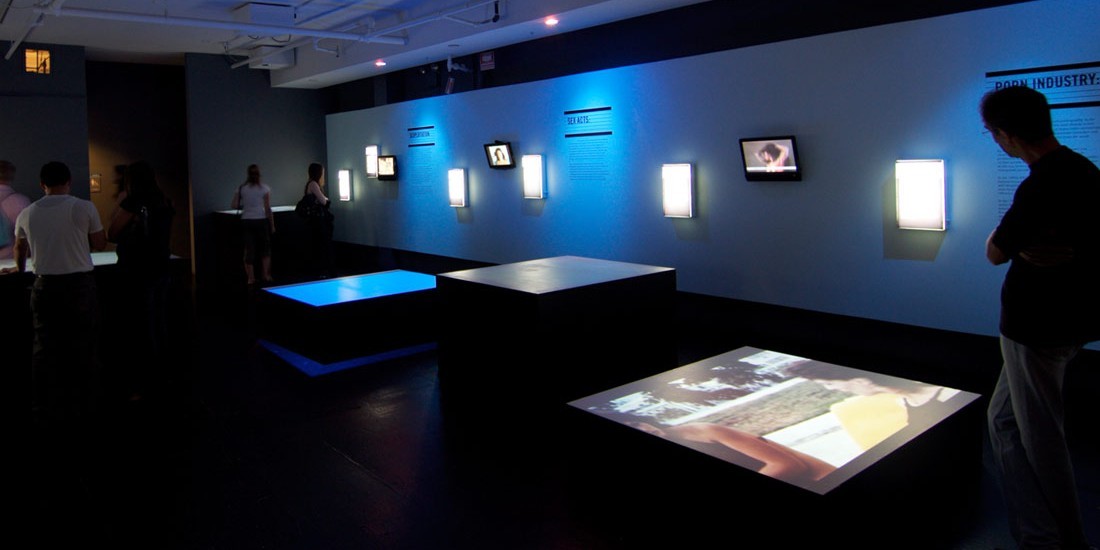
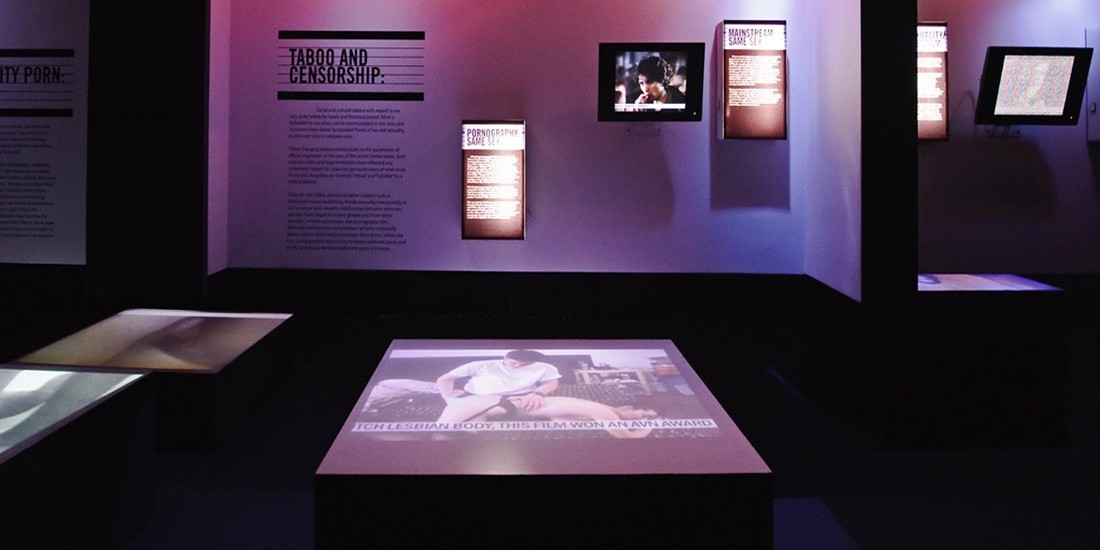
Sex, nudity, and even innuendo have always been highly contentious topics of public discourse and debate. In fact, throughout the history of the “moving image” legislation has not only dictated what filmmakers could legally create, but also mandated what people were “allowed” to see. Those deeming subject matter as obscene or immoral have edited, censored, banned and even destroyed films with sexual content. Action: Sex and the Moving Image surveys the controversial history of sex and the moving image over more than 150 years, featuring everything from the subtle sexual metaphors in mainstream films like Dracula (1931) to the unsimulated sex scenes in independently-funded films like Sweet Sweetback’s Baadasssss Song (1971), from the “sexploitation” films of the 1950s to the “porno chic” era that made Deep Throat (1972) and Debbie Does Dallas (1978) legendary, from the emergence/acceptance of same-sex pornography to contemporary celebrity “home-made” porn such as One Night in Paris (2004). Using multiple screens and light-boxes, this exhibition exposes the most influential and provocative sexual images caught on cinematic camera.
We use cookies to improve your experience on our site. By using our site, you consent to cookies.
Manage your cookie preferences below:
Essential cookies enable basic functions and are necessary for the proper function of the website.
CloudFlare provides web performance and security solutions, enhancing site speed and protecting against threats.
Service URL: developers.cloudflare.com (opens in a new window)
These cookies are needed for adding comments on this website.
Google Tag Manager simplifies the management of marketing tags on your website without code changes.
Statistics cookies collect information anonymously. This information helps us understand how visitors use our website.
Google Analytics is a powerful tool that tracks and analyzes website traffic for informed marketing decisions.
Service URL: policies.google.com (opens in a new window)
Marketing cookies are used to follow visitors to websites. The intention is to show ads that are relevant and engaging to the individual user.
Facebook Pixel is a web analytics service that tracks and reports website traffic.
Service URL: www.facebook.com (opens in a new window)
Google Ads is an online advertising platform that enables businesses to create targeted ads displayed on Google search results and partner sites.
Service URL: policies.google.com (opens in a new window)
TikTok Pixel is a tracking tool that measures user interactions and optimizes ad campaigns on the TikTok platform.
Service URL: ads.tiktok.com (opens in a new window)